
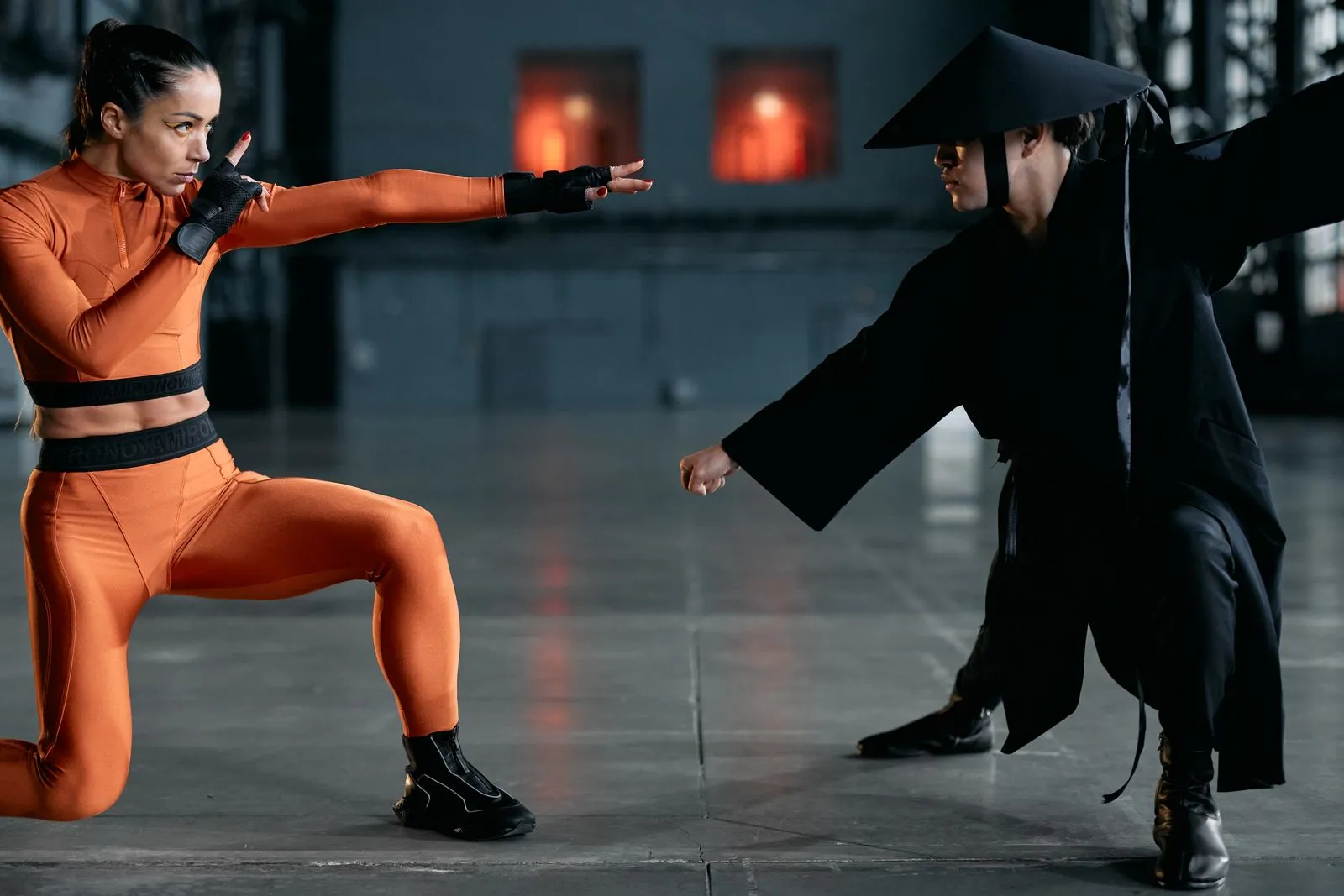
A kung fu class asks you to pay attention and move at the same time. You might follow a coach’s directions, remember a sequence, and adjust your stance—all within one practice. These tasks make training an active exercise in focus and coordination, not just physical movement. With steady practice, the habits you build on the training floor can support everyday activities that call for concentration, timing, and control.
Drills Train Attention in Motion
A drill gives you a clear task to repeat, such as stepping into a stance, blocking, or responding to a partner’s movement. To do it well, you have to notice the instruction, understand the timing, and carry out the action. Repeating a drill gives you chances to catch small errors and make a specific adjustment, rather than moving on autopilot.
That practice can help you stay with a task when several details matter at once. Try bringing the same approach to an everyday activity: identify the next step, give it your attention, and check your work before continuing. Kung fu does not make every task effortless, but it gives you a structured place to practice staying present.
Forms Connect Memory and Movement
Forms are sequences of movements practiced in a set order. Learning one means remembering what comes next while managing direction, balance, posture, and pace. At first, it can help to work through a short section slowly. Once the order feels familiar, you can focus more on smooth transitions and controlled movement.
This combination of remembering and moving can encourage careful planning. When learning a new routine, cooking from a recipe, or following a series of instructions, break the task into manageable parts. Practice each part, then connect them. In class, an instructor can help you understand how each movement fits into the larger sequence.
Coordination Grows Through Repetition
Kung fu movements often ask different parts of the body to work together. A step may need to line up with a hand technique, while your torso stays balanced and your eyes track what is happening. Repetition helps you notice how the pieces fit. Move at a pace that lets you keep good control; speed is less useful when it comes at the cost of sound technique.
Better coordination can make ordinary movements feel more deliberate, whether you are carrying objects, changing direction, or learning a new physical activity. Progress varies from person to person, so compare your current control with your own earlier practice rather than someone else’s. Ask your instructor for one clear correction to work on, then give that detail attention during the next round.
Consistency Makes Practice Stick
Short, regular practice gives you more chances to revisit techniques and build familiarity. You do not need to master a movement in one class. Set a simple goal, such as keeping your stance steady through a sequence or remembering its order, and notice what becomes easier over time. Rest and careful instruction also matter; practice should challenge you without encouraging you to ignore pain.
The useful habit is returning with attention, not trying to do everything perfectly. Bring that mindset beyond class by choosing one manageable skill to practice at a time. Hamilton Kung Fu Club offers a place to learn through guided drills and forms, while your everyday routines give you more opportunities to use patience, focus, and controlled movement.
Kung fu builds focus and coordination through practical repetition: listen, remember, move, and adjust. Those skills can support everyday tasks that call for attention and control, even though progress takes time and varies by student. If you are curious about training, visit a class and ask how beginners can get started.